-
Joint and Limb Pain in Malaysia: Orthopaedic, Rheumatology or Vascular?
Pain does not come labelled with a department
A sore knee, stiff fingers in the morning or an aching calf after a short walk can all feel like “joint pain” to the person living with it. In a hospital, though, those three complaints might be looked after by three different specialists. Knowing roughly which lane a symptom belongs in makes the first visit less confusing, and it helps you describe things clearly to your GP in Malaysia, who usually decides on the referral.
This is general education, not a diagnosis. The aim is simply to explain why orthopaedics, rheumatology and vascular surgery often get mentioned in the same conversation.
It also helps to know that overlap is normal. Someone with long-standing rheumatoid arthritis may later need a joint looked at by an orthopaedic surgeon. A person with diabetes might see a vascular team about circulation and an orthopaedic team about a foot problem in the same year. Specialists refer to one another all the time, so a first visit to the “wrong” clinic is rarely wasted.
Mechanical pain and the orthopaedic lane
Orthopaedic teams deal with bones, joints, ligaments, tendons and the spine. A lot of their work involves mechanical problems: injuries, fractures, wear and tear in a joint, or a structure that is not moving the way it should. Pain that gets worse with use and eases with rest is a classic mechanical pattern.

Imaging is often part of an orthopaedic assessment, alongside a physical examination. Assessment usually starts with an examination and often an X-ray or other imaging. Treatment can range from physiotherapy and activity changes to surgery for selected cases. Reading an orthopaedic service overview from one Klang Valley hospital can give you a feel for the conditions the specialty covers, from sports injuries to joint replacement.
When joints are inflamed rather than worn
Rheumatology looks at a different kind of problem. Conditions such as rheumatoid arthritis, lupus, gout and other inflammatory or autoimmune diseases can affect joints, but the root cause sits in the immune system or body chemistry rather than mechanical damage. Morning stiffness that lasts a long time, swelling in several small joints at once, or joint pain with fatigue and rashes are patterns that sometimes point this way.
The US National Institute of Arthritis and Musculoskeletal and Skin Diseases explains the main types of arthritis in clear language. For a local starting point, a page on inflammatory joint conditions outlines what a rheumatology clinic typically investigates. Blood tests often play a bigger role here than in orthopaedics.

Pain in several small joints, especially with long morning stiffness, is worth describing carefully to a doctor. A rheumatology clinic explains in simple terms how the two specialties divide up joint problems.
Leg pain that is really about blood flow
Not all limb pain comes from joints at all. Cramping pain in the calf that appears with walking and settles with rest can be a sign of narrowed arteries, sometimes called peripheral arterial disease. Swollen, heavy legs with visible veins point to a different set of circulation issues. These belong with vascular specialists, who look after arteries and veins outside the heart and brain.
The Society for Vascular Surgery patient resources describe common vascular conditions and the tests used to assess them, such as ultrasound scans of blood flow. Browsing a vascular specialty page shows how hospitals here group these services. Smoking, diabetes and high blood pressure all raise vascular risk, which is why doctors ask about them even when you came in talking about your legs.
What to jot down before seeing anyone
A short written history helps any specialist. Note where the pain is, when it started, what makes it better or worse, how long morning stiffness lasts, and whether walking a set distance brings it on. List other symptoms too, such as rashes, fever, numbness or colour changes in the skin.
Add your current medicines, past injuries and family history of arthritis or circulation problems. Bring any previous scan reports.
If you can, take a photo of any swelling or skin colour change when it is at its worst, because symptoms have a habit of settling on the day of the visit. None of this replaces an examination, but it helps the doctor in front of you decide quickly which questions matter most.
-
Burglary Insurance for Malaysian Businesses
What burglary cover is designed to pay for
Burglary insurance for businesses is built around loss of contents or stock following forcible and violent entry or exit, subject to the policy wording. It is not a general theft catch-all for every missing item after a messy stocktake. Owners should read definitions of premises, forcible entry, and any watchman or alarm conditions before assuming a claim will be straightforward. A concise product page on burglary insurance is a starting map, not a substitute for the schedule and exclusions in your contract pack.

Burglary cover assumes basic security habits; cameras and locks are part of that conversation. Bank Negara Malaysia oversees insurance and takaful conduct expectations. PIDM explains protection schemes that apply to deposits rather than general insurance claims, which helps owners avoid mixing concepts. Consumer education portals help SMEs learn how to compare policy documents. Use those public references to learn vocabulary, then verify every promise against your own policy schedule, endorsements, and proposal form answers.
If a broker summarises cover in a WhatsApp message, still request the full wording PDF. Short summaries omit the clauses that decide claims.
Exclusions and security conditions that matter
Many burglary wordings exclude losses when premises are left unsecured, when keys are used without forced entry, or when stock sits in open yards without agreed protections. CCTV, grill specifications, and alarm monitoring may be warranties: if you stop maintaining them, cover can be disputed. Photograph serial-numbered assets and keep purchase invoices off-site or in cloud storage so claim forms are not empty after a break-in.
Tell the insurer when you renovate, add a side door, or change operating hours. Silent material changes create avoidable claim friction later. Train closing staff on a short lock checklist so one rushed night does not undermine a carefully bought policy. Keep alarm service invoices; adjusters often ask for proof of maintenance.
How liability lines sit next to property theft cover
A break-in can create more than missing stock. Injured visitors, damaged third-party property, or professional advice disputes sit in different liability lanes. Reading about professional indemnity insurance helps firms that sell advice or design services see why theft cover alone is incomplete. Public liability and workers-related covers likewise answer different questions. Build a one-page cover map so procurement does not buy overlapping names that still leave a hole.
When a claim involves both stolen stock and a visitor injury, different forms and timelines may apply. Knowing which policy answers which phone call saves days during a stressful week.
SME package options versus stand-alone policies
Some insurers bundle fire, burglary, money, and liability into SME packages. Bundles can simplify admin but may under-limit a high-stock season. Stand-alone burglary may fit warehouses with elevated inventory better than a generic shop package. Pages outlining SME business insurance style products should be compared on sum insured, average clause, and excess, not only on annual premium.
Ask whether seasonal stock peaks can be declared temporarily. Under-insurance clauses can reduce payouts even when a premium felt cheap at renewal time. Revisit sums insured after a major inventory build-up for festive seasons or large purchase orders.
Educational overview of common small-business insurance cover types and how to read needs. Claims prep that reduces friction after a break-in
After discovering a break-in, prioritise safety, call the police, and notify the insurer within the required window. Do not discard damaged locks or packaging until adjusters advise. List missing items with approximate ages and values. Keep a claims folder with the policy schedule, alarm service logs, and CCTV export instructions. Review security upgrades after settlement so the next year is not a repeat. Re-read warranties annually when you renew, because operations drift quietly across new managers and new opening hours.
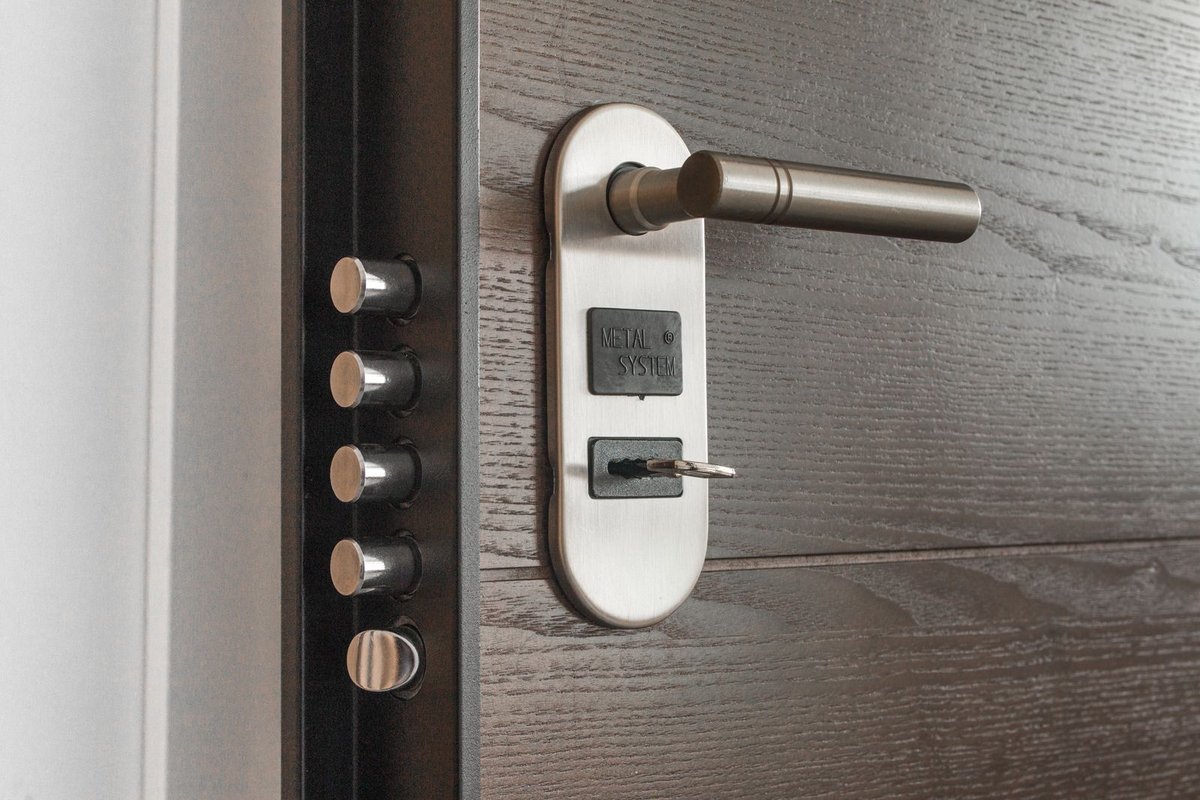
Exclusions and security conditions matter as much as the headline sum insured.