-
Burglary Insurance for Malaysian Businesses
What burglary cover is designed to pay for
Burglary insurance for businesses is built around loss of contents or stock following forcible and violent entry or exit, subject to the policy wording. It is not a general theft catch-all for every missing item after a messy stocktake. Owners should read definitions of premises, forcible entry, and any watchman or alarm conditions before assuming a claim will be straightforward. A concise product page on burglary insurance is a starting map, not a substitute for the schedule and exclusions in your contract pack.
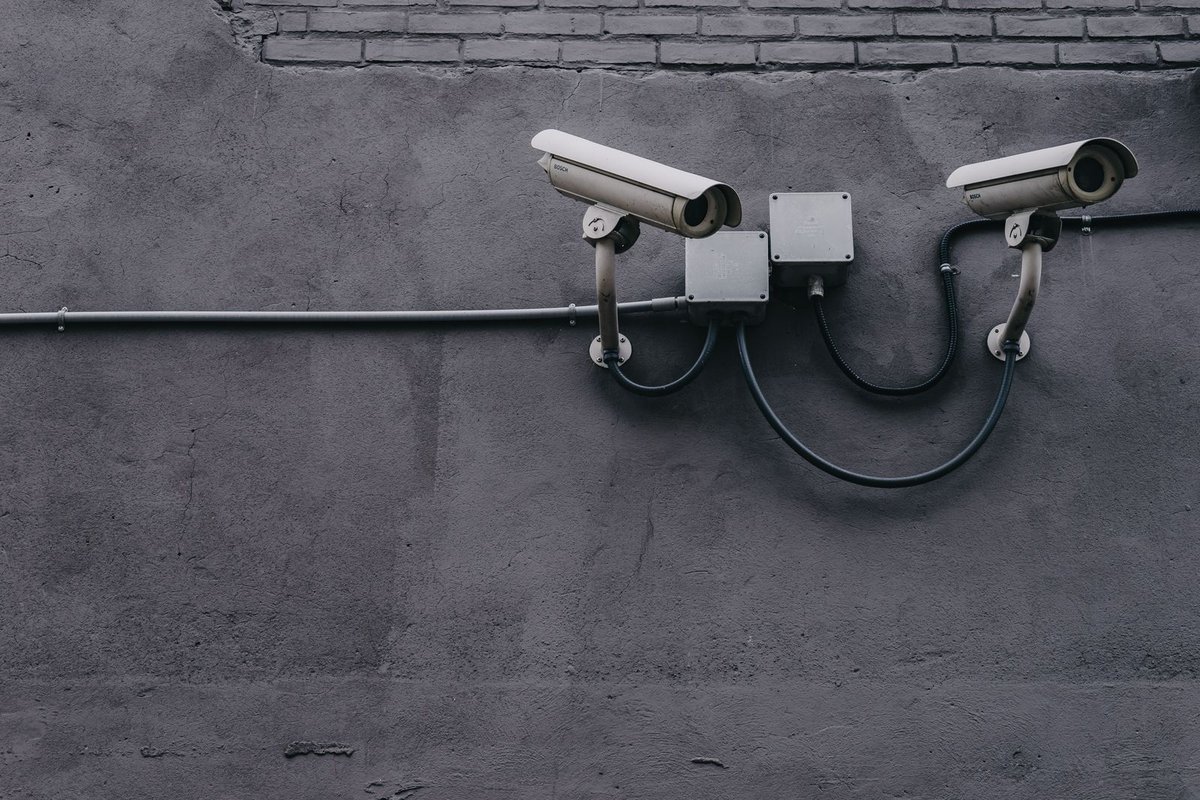
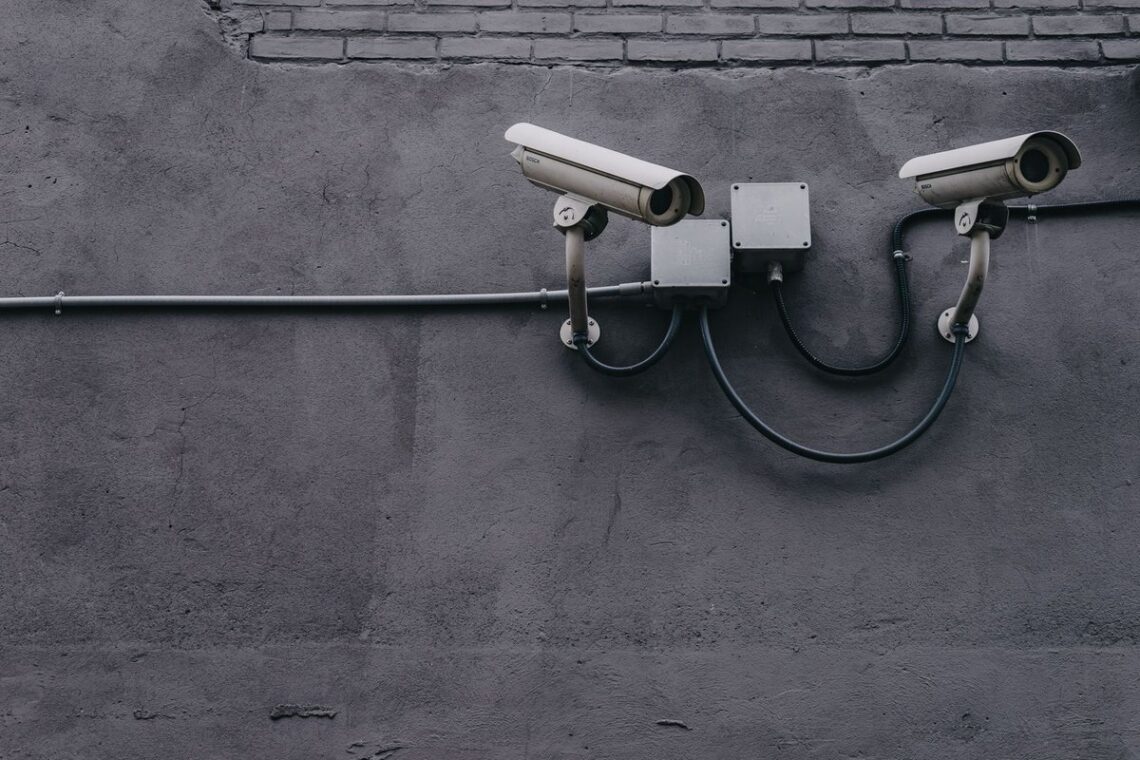
Burglary cover assumes basic security habits; cameras and locks are part of that conversation. Bank Negara Malaysia oversees insurance and takaful conduct expectations. PIDM explains protection schemes that apply to deposits rather than general insurance claims, which helps owners avoid mixing concepts. Consumer education portals help SMEs learn how to compare policy documents. Use those public references to learn vocabulary, then verify every promise against your own policy schedule, endorsements, and proposal form answers.
If a broker summarises cover in a WhatsApp message, still request the full wording PDF. Short summaries omit the clauses that decide claims.
Exclusions and security conditions that matter
Many burglary wordings exclude losses when premises are left unsecured, when keys are used without forced entry, or when stock sits in open yards without agreed protections. CCTV, grill specifications, and alarm monitoring may be warranties: if you stop maintaining them, cover can be disputed. Photograph serial-numbered assets and keep purchase invoices off-site or in cloud storage so claim forms are not empty after a break-in.
Tell the insurer when you renovate, add a side door, or change operating hours. Silent material changes create avoidable claim friction later. Train closing staff on a short lock checklist so one rushed night does not undermine a carefully bought policy. Keep alarm service invoices; adjusters often ask for proof of maintenance.
How liability lines sit next to property theft cover
A break-in can create more than missing stock. Injured visitors, damaged third-party property, or professional advice disputes sit in different liability lanes. Reading about professional indemnity insurance helps firms that sell advice or design services see why theft cover alone is incomplete. Public liability and workers-related covers likewise answer different questions. Build a one-page cover map so procurement does not buy overlapping names that still leave a hole.
When a claim involves both stolen stock and a visitor injury, different forms and timelines may apply. Knowing which policy answers which phone call saves days during a stressful week.
SME package options versus stand-alone policies
Some insurers bundle fire, burglary, money, and liability into SME packages. Bundles can simplify admin but may under-limit a high-stock season. Stand-alone burglary may fit warehouses with elevated inventory better than a generic shop package. Pages outlining SME business insurance style products should be compared on sum insured, average clause, and excess, not only on annual premium.
Ask whether seasonal stock peaks can be declared temporarily. Under-insurance clauses can reduce payouts even when a premium felt cheap at renewal time. Revisit sums insured after a major inventory build-up for festive seasons or large purchase orders.
Educational overview of common small-business insurance cover types and how to read needs. Claims prep that reduces friction after a break-in
After discovering a break-in, prioritise safety, call the police, and notify the insurer within the required window. Do not discard damaged locks or packaging until adjusters advise. List missing items with approximate ages and values. Keep a claims folder with the policy schedule, alarm service logs, and CCTV export instructions. Review security upgrades after settlement so the next year is not a repeat. Re-read warranties annually when you renew, because operations drift quietly across new managers and new opening hours.
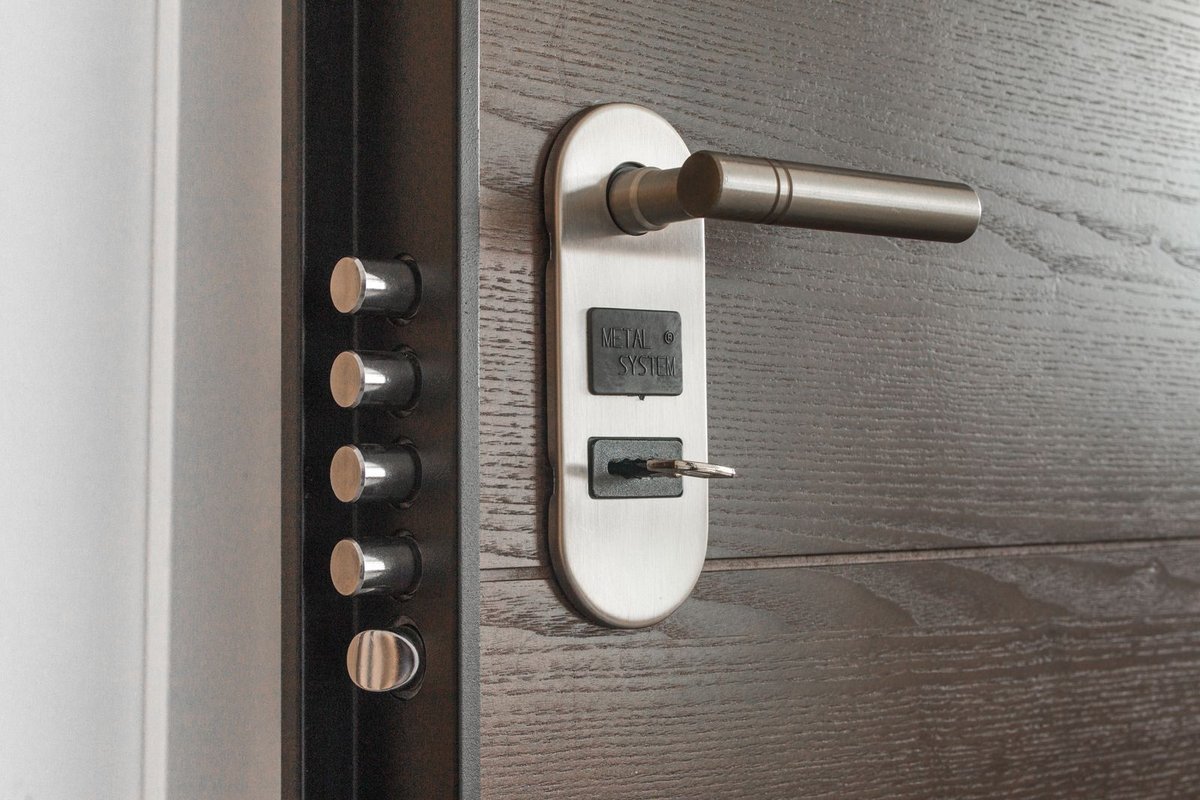
Exclusions and security conditions matter as much as the headline sum insured.